Stone & Century
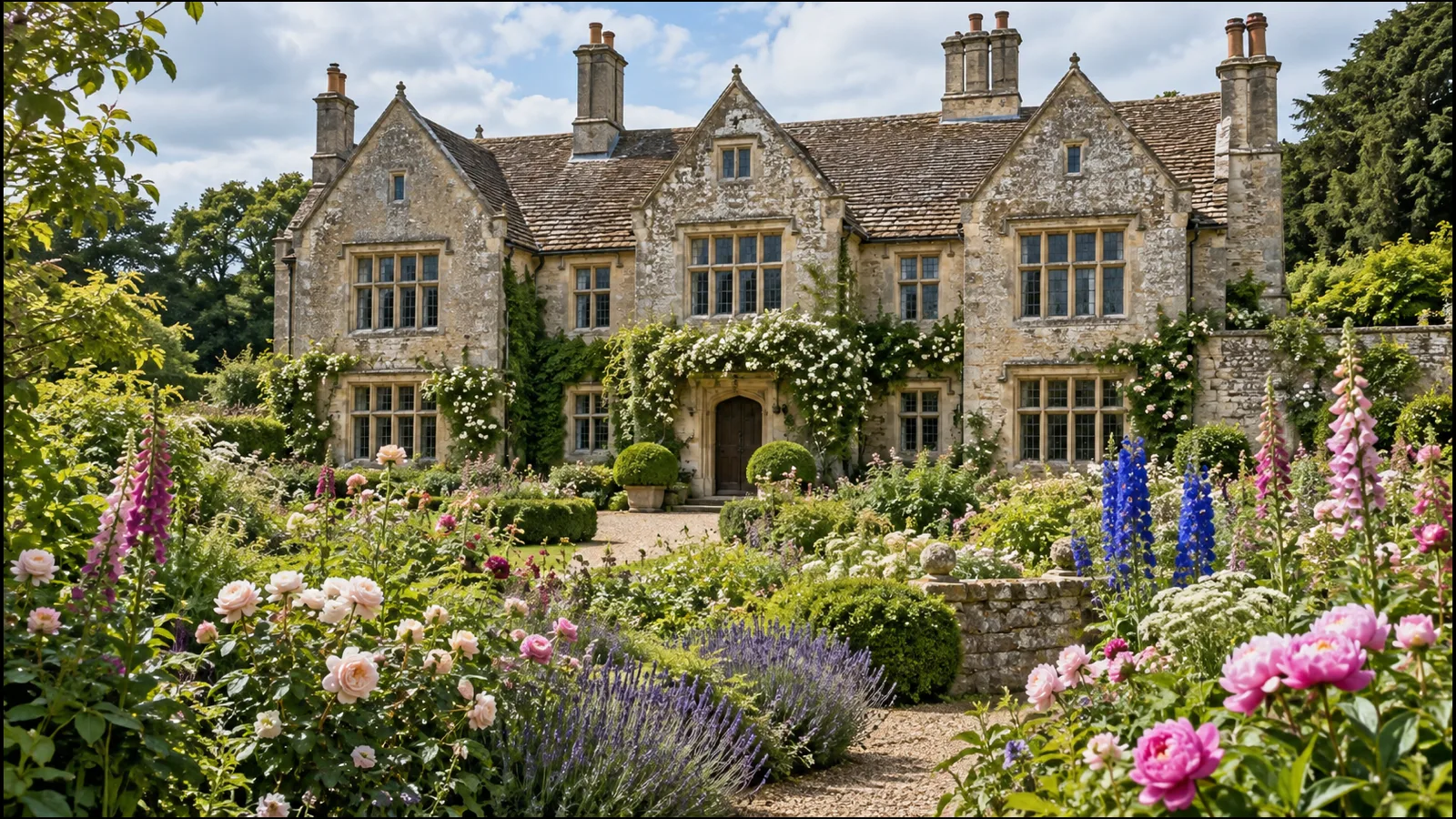
An ivy-covered English stone country house at golden hour, manicured lawns and clipped hedges in the foreground

Six nights, not six stops. One era at a time.

This isn't a route. It's a case for staying put: six real historic house hotels across Britain, each one built in a genuinely different century, each worth arriving at slowly and leaving reluctantly. No itinerary tries to fit all six into one trip — pick one, stay several nights, and actually see it.

England · Scotland · Wales · six real addresses
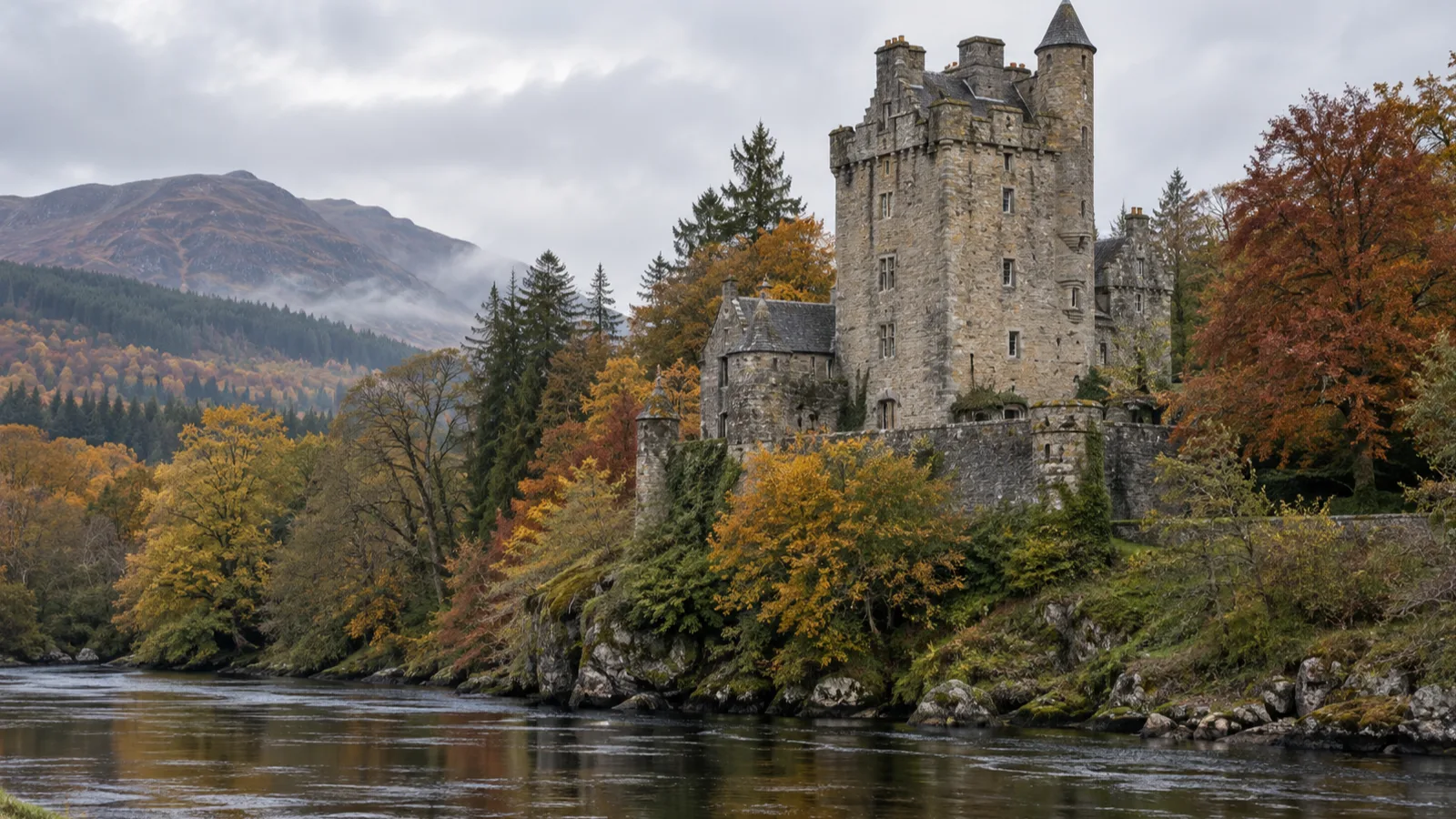
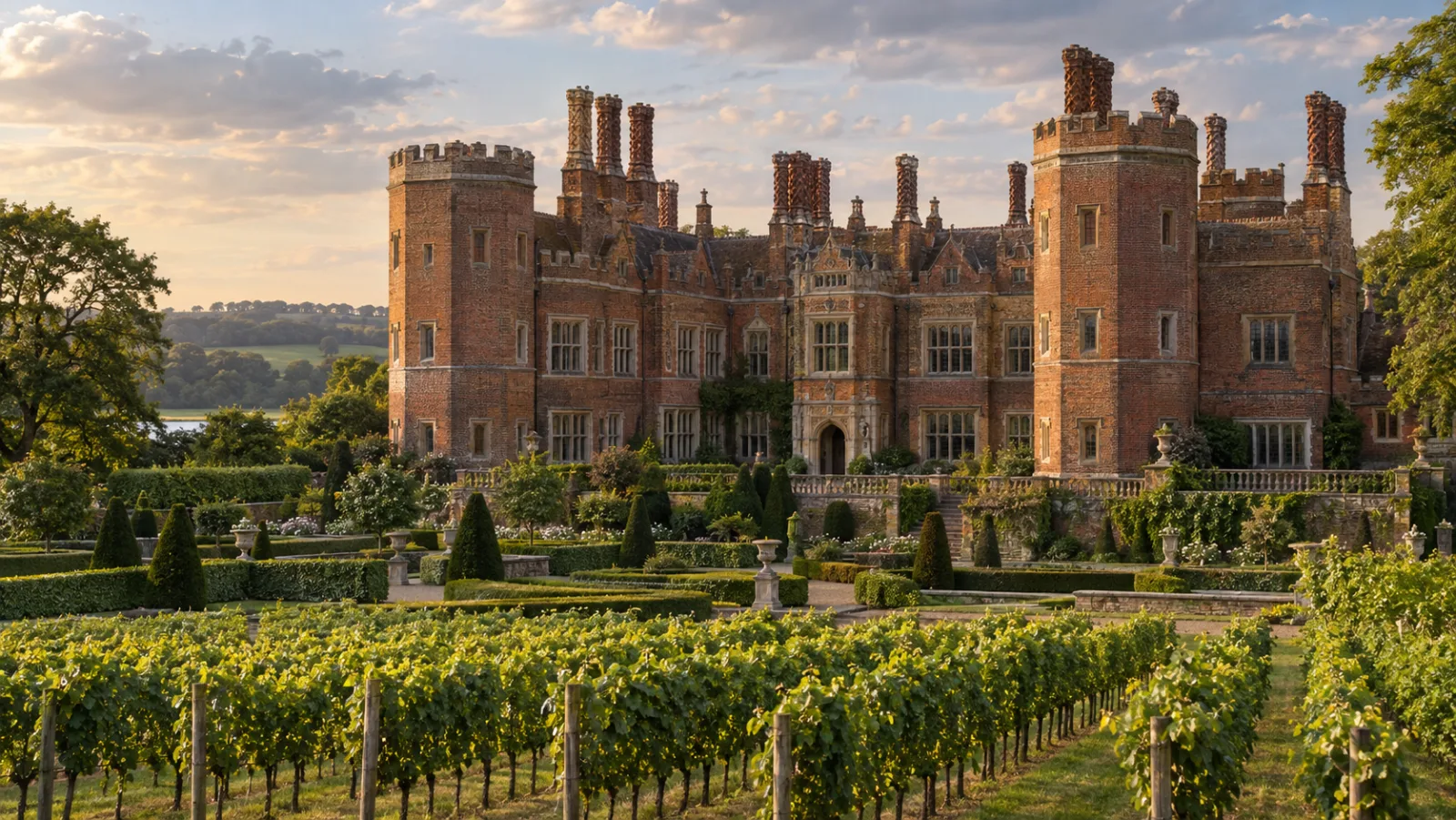
The century ledger

Six stays, in order

Oldest first. Each one is a real, bookable stay today — not a museum you can only walk through.

13th c.

Dalhousie Castle

A fortified tower house on the banks of the South Esk, held by one family for over 700 years.

Read the full history →
1511

Thornbury Castle

Built to outshine a king — and confiscated by that same king a decade later.

Read the full history →
1598

Gravetye Manor

An Elizabethan ironmaster's house that later became the birthplace of the English natural garden.

Read the full history →
1666

Cliveden House

A duke's gift to his mistress, then the political salon at the centre of a national scandal.

Read the full history →
1841–91

Craig-y-Nos Castle

Bought and rebuilt by a world-famous opera singer as her private retreat, theatre and all.

Read the full history →
1897

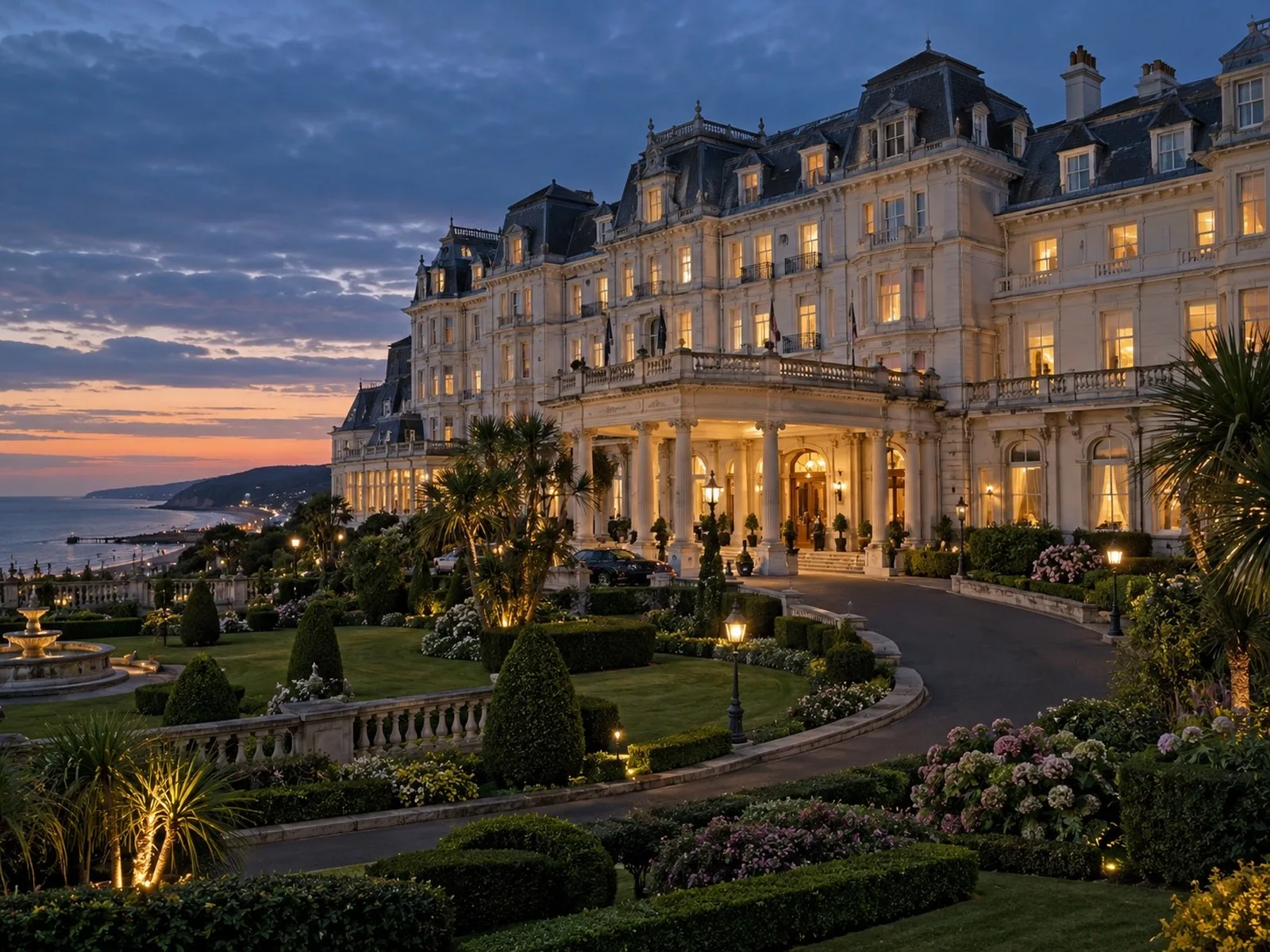
The Westcliff Grand

Built as a resort from the start, not converted into one — the sixth entry on this list, and the only one with a floor of tables instead of a family crest.

Read the full story →
Where to actually stay

Six stays worth arriving at slowly

All six operate as real hotels today — you can book a room, not just a ticket.

Before you assume anything

What people get wrong about staying in a castle

The honest version of four things every first-timer asks — the full list is on What to Expect.

Will it be cold and draughty?

Most working historic hotels have modernised heating throughout, though a handful of the oldest wings keep thick original walls that stay naturally cool in summer — ask when booking if that matters to you.

Is there actually wifi?

Yes, at all six historic houses — but signal in the thickest original stone sections can be patchy. None of these are a digital-detox retreat by design, just by occasional accident of wall thickness.

Do I need to dress up for dinner?

Smart-casual is the safe default everywhere; a few dining rooms ask for jacket-and-no-jeans in the evening. Check the specific property's own dress code before you pack, not after you arrive.

Can I visit without staying the night?

Several offer afternoon tea or a restaurant booking to day visitors; none of these six historic houses are open for casual walk-in sightseeing the way a National Trust property is. Check each property's own policy first.

How long is actually worth it

One night sees the building. Three nights lets you slow down.

This only works as a trip if the pacing is honest about what each length actually gets you.

1 night

The building and dinner

Enough to see the public rooms, sleep in a genuinely historic bedroom, and eat one proper meal — not enough to touch the grounds properly.

2–3 nights

The grounds and the area

Time for a full walk of the gardens or estate, a day trip to whatever's nearby, and a second dinner without repeating the menu.

4+ nights

Actually slowing down

This is the length that makes the "slow travel" idea real rather than aspirational — long enough to stop checking what's next.

These rooms are few, and weekends go first.

Most of these six historic houses run well under 40 rooms each, and the historic feature rooms — four-posters, the room a specific historical figure actually slept in — sell out for weekends months ahead. See Planning Your Stay for how far ahead to actually book.